
Further, in view of changes in metabolism, potential drug interactions and physical comorbidity, dosages for medications to treat alcohol withdrawal and prevent relapse may need to be reduced in older people (Dar, 2006). People who are alcohol dependent and who have recently stopped drinking are vulnerable to relapse, and often have many unresolved co-occurring problems that predispose to relapse (for example, psychiatric comorbidity and social problems) (Marlatt & Gordon, 1985). This should include interventions aimed primarily at the drinking behaviour, including psychosocial and pharmacological interventions, and interventions aimed at dealing with co-occurring problems. Although symptoms of alcohol dependence is defined in ICD–10 and DSM–IV in categorical terms for diagnostic and statistical purposes as being either present or absent, in reality dependence exists on a continuum of severity. Therefore, it is helpful from a clinical perspective to subdivide dependence into categories of mild, moderate and severe. People with mild dependence (those scoring 15 or less on the Severity of Alcohol Dependence Questionnaire [SADQ]) usually do not need assisted alcohol withdrawal.
Lifestyle and home remedies
- Ethanol (or ethyl alcohol) in alcoholic beverages is produced by the fermentation of sugar by yeast.
- Alcohol shares some of its dependence-producing mechanisms with other psychoactive addictive drugs.
- More resources for a variety of healthcare professionals can be found in the Additional Links for Patient Care.
- Residential treatment programs typically include licensed alcohol and drug counselors, social workers, nurses, doctors, and others with expertise and experience in treating alcohol use disorder.
- The prevalence of alcohol-use disorders in this population has been reported to be between 38 and 50% in the UK (Gill et al., 1996; Harrison & Luck, 1997).
3In operant procedures, animals must first perform certain response (e.g., press a lever) before they receive a stimulus (e.g., a small amount of alcohol). By modifying the required response (e.g., increasing the number of lever presses required before the alcohol is delivered) researchers can determine the motivational value of the stimulus for the animal. 1In operant procedures, animals must first perform a certain response (e.g., press a lever) before they receive a stimulus (e.g., a small amount of alcohol). To learn more about alcohol treatment options and search for quality care near you, please visit the NIAAA Alcohol Treatment Navigator. Those with mild to moderate symptoms may receive treatment in an outpatient setting.
How to reduce your risk of becoming alcohol dependent
- Experts have tried to pinpoint factors like genetics, sex, race, or socioeconomics that may predispose someone to alcohol addiction.
- Amongst those who currently consume alcohol there is a wide spectrum of alcohol consumption, from the majority who are moderate drinkers through to a smaller number of people who regularly consume a litre of spirits per day or more and who will typically be severely alcohol dependent.
- For example a strong desire or compulsion to use substances is not included in DSM–IV, whereas more criteria relate to harmful consequences of use.
Once you’re well enough to leave, you’ll need to continue to receive treatment on an outpatient basis. The American Medical Association recommends a two-drink daily limit for people assigned male at birth (AMAB). Heavy drinking in this population is five or more drinks in one day or 15 or more drinks in a week.
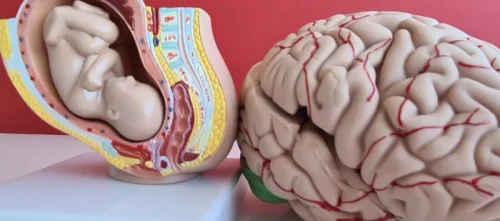
After 3 Days Without Alcohol

Addiction psychiatrists also have an important role in liaison with general psychiatrists in the optimal management of people with alcohol and mental health comorbidity (Boland et al., 2008). As noted above, many people will recover from alcohol-use disorders without specialist treatment and many will reduce their alcohol intake following a change in circumstances, such as parenthood, marriage or taking on a responsible job. Hazardous and harmful drinkers may respond to a brief intervention provided in primary care without requiring access to specialist treatment (NICE, 2010a). For others, their alcohol problems are overcome with the help of a mutual aid organisation, such as Alcoholics Anonymous (AA; see Section 2.10). Nevertheless, many will require access to specialist treatment by virtue of having more severe or chronic alcohol problems, or a higher level of complications of their drinking (for example, social isolation, psychiatric comorbidity and severe alcohol withdrawal).
Mutual-support groups provide peer support for stopping or reducing drinking. Group meetings are available in most communities at low or no cost, and at convenient times and locations—including an increasing presence online. This means https://ecosoberhouse.com/ they can be especially helpful to individuals at risk for relapse to drinking. Combined with medications and behavioral treatment provided by health care professionals, mutual-support groups can offer a valuable added layer of support.
Mental health
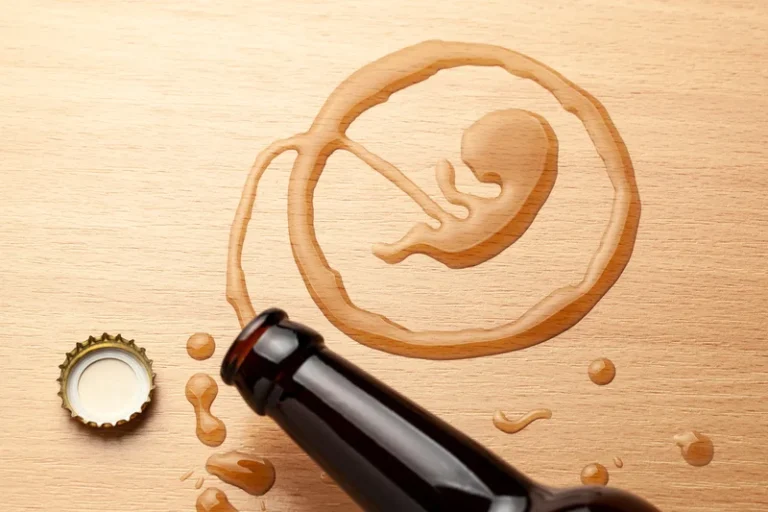
8. THE ROLE OF TREATMENT AND MANAGEMENT
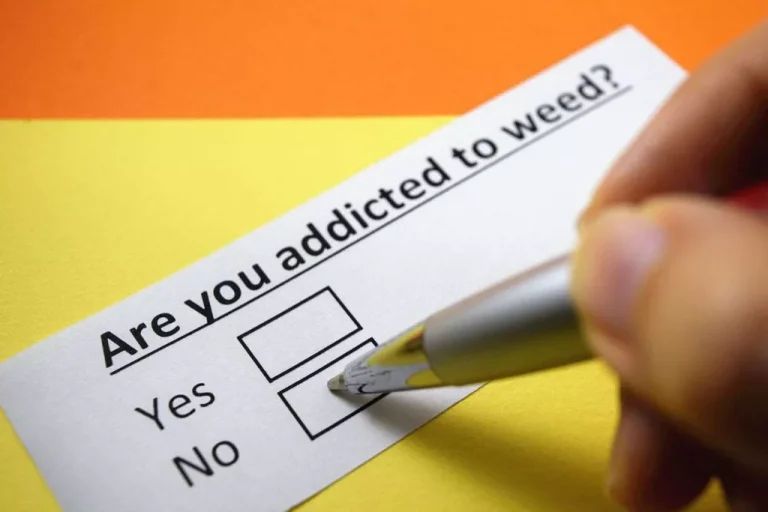
How do I know if I have an alcohol use disorder (AUD)?
- For those with alcohol use disorder, withdrawal is just the first (but very important) step on a long journey to recovery.
- Then, as dependence takes over, it’s possible you will find you get the shakes if you don’t have a drink, and so feel the need to keep drinking to avoid experiencing very unpleasant withdrawal symptoms.
- In the United States, most states have low-cost or free rehabilitation programs for those who are uninsured.
- Telehealth specialty services and online support groups, for example, can allow people to maintain their routines and privacy and may encourage earlier acceptance of treatment.
 ©2026 HC Group